
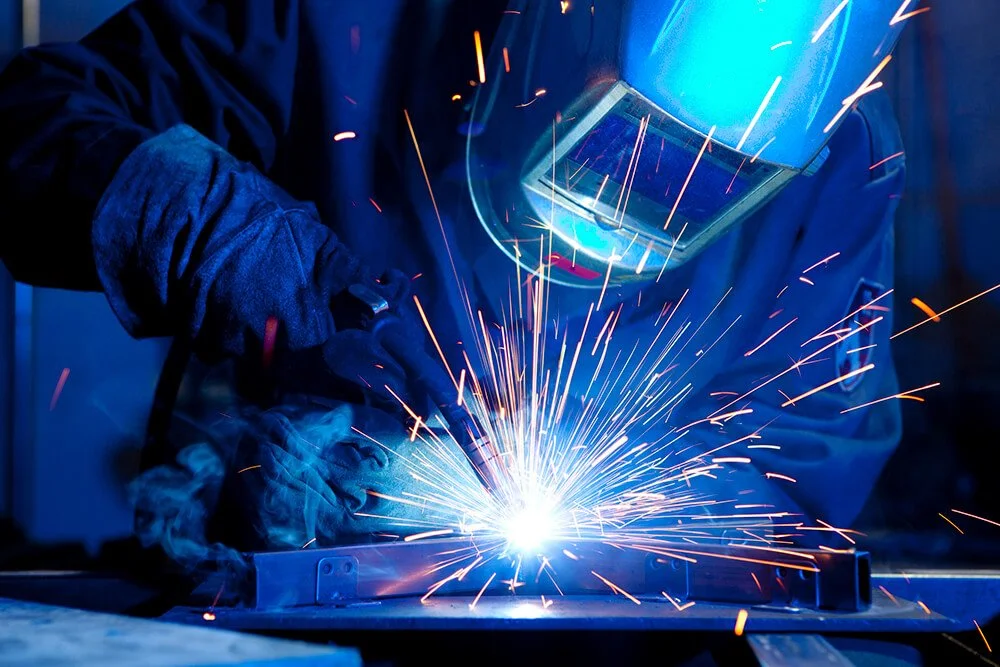
Thermal Stress Testing
A Thermal Stress Test evaluates how workers are affected by extreme temperature environments, whether from heat stress or cold stress, and determines if workplace conditions are safe.
Prolonged exposure to high or low temperatures can lead to serious health risks, including heat exhaustion, heat stroke, hypothermia or frostbite.
At Mercer Safety, we assess thermal stress to identify risks, measure environmental conditions and ensure control measures are effective.
Using Wet Bulb Globe Temperature (WBGT) and other industry-standard methods, our specialists evaluate heat or cold exposure and compare results to provincial OH&S guidelines.
If exposure limits are exceeded, we provide recommendations to reduce risk and maintain safe working conditions. Controls may include:
Ventilation and air movement improvements
Hydration and rest schedules
Protective clothing and cooling equipment
Work-rest regimens tailored to temperature and workload
Training and awareness for workers and supervisors
Thermal Stress Testing not only helps employers meet regulatory obligations but also ensures workers remain safe, comfortable and productive in challenging environments.
Industrial Hygiene Services:
Air Quality Management Planning & Testing
Asbestos Monitoring & Bulk Sampling
Fit Testing (Qualitative and Quantitative)
Hazardous Materials Assessments
Mould Sampling & Remediation Planning
Radon Measurements & Mitigation Consulting
Respiratory Protection Programs & Hazard Assessments
Silica Monitoring & Management Programs
Thermal Stress Testing